

Wood furniture is renowned for its timeless beauty and durability. Discover why wood furniture ages better over time as we delve into the natural processes that enhance its character. From patina to strength, understanding the factors that contribute to its appeal can transform how you view your home decor. Whether it’s the elegance of aged wood or the robust nature it develops, each piece tells a unique story. Let’s explore the secrets behind wood furniture’s enduring charm.
Understanding the Beauty of Aged Wood
Aged wood possesses a distinct elegance that tells stories through its unique textures and rich hues, formed over years. Its beauty lies in its ability to naturally develop characteristics that cannot be replicated by new wood. The transformation of wood furniture over time enhances its appearance with distinctive grain patterns and a warm, mellow color. Developing a rich patina, the surface of aged wood softens, giving it a unique character and depth.
The uniqueness of aged wood comes from the changing interaction with its environment and the slight wear and tear it undergoes. This process not only enhances the wood’s visual appeal but also its structural qualities, making each piece a one-of-a-kind artifact.
The allure of wood furniture comes from its ability to grow in beauty with age, reflecting its environment’s history and the care it has received. Understanding this transformation allows one to truly appreciate the unrivaled charm and lasting nature of aged wood.
The Role of Patina in Furniture Aging
Patina plays a crucial role in the aging process of wooden furniture, offering unique aesthetic and protective qualities. This natural coating develops over time as wood reacts to environmental elements such as sunlight, moisture, and air exposure.
Visually appealing, patina enhances the character and texture of wood furniture, adding uniqueness to each piece. This layer often brings a warm glow or a soft sheen that only time can bestow, making older furniture inviting and rich in history.
Apart from adding beauty, patina acts as a protective barrier, shielding the wood beneath from further deterioration. This helps maintain the integrity of the furniture, making it more durable over time. The aging process, guided by the development of patina, can make wooden furniture not only more attractive but also more resilient.
It’s essential to embrace this natural evolution of wood furniture, as patina’s changes signify the passage of time and the stories the furniture might tell. Understanding the role of patina can help in maintaining and appreciating wooden furniture’s value over the years.
Durability and Strength Over the Years
A journey through time reveals that wood furniture does not just retain its sturdiness; it often increases in strength and gains character over the years. When meticulously crafted, wooden furniture holds a remarkable ability to withstand wear and tear. Various factors contribute to its enduring nature.
Wood grains are key to the durability of furniture. They solidify with time, contributing to the furniture’s overall robustness. This natural aging process fortifies the wood against physical stresses, ensuring the longevity of your beloved pieces.
Traditional joinery techniques, like dovetail and mortise-and-tenon joints, play an essential role. These craftsmanship methods are designed to enhance the furniture’s integrity, providing lasting stability without reliance on modern adhesives, which can break down over time.
Environmental influences like humidity and temperature fluctuations can impact wood furniture. However, well-crafted pieces are designed to accommodate these changes. The gradual seasoning of wood in such conditions can actually amplify its strength, allowing it to adapt seamlessly with the environment.
Not all woods age the same way. Hardwoods like oak, maple, and cherry often gain a deeper hue and become more robust as they age. Each piece tells a story of resilience through its evolving appearance and continued functionality.
Innovations in wood treatment and protective finishes have also helped in enhancing the endurance of wood furniture over time. These treatments ensure that aging wood remains resistant to pests and degradation while preserving its aesthetic qualities.
The interplay of these factors explains why well-made wood furniture is more than just a fixture; it’s a resilient heirloom. Each component, from the choice of wood to the skilled joinery and environmental adaptability, contributes to its enduring appeal. The natural process of aging allows wood furniture to maintain its integrity while becoming increasingly cherished for its durability and strength.
Environmental Factors Impacting Wood Aging
Wood aging is a fascinating process that can alter the appearance and durability of furniture over time. Several environmental factors contribute significantly to how wood ages. Temperature, humidity, and sunlight exposure all play roles in the unique transformations that occur.
Fluctuating temperatures can cause wood to expand and contract. This movement can lead to the development of hairline cracks or splits, giving the furniture a unique character. Moreover, wood tends to absorb and release moisture based on the relative humidity of the environment. High humidity might lead to swelling and warping, while low humidity can cause shrinking and cracking. This balance is crucial in determining the wood’s aging process.
Sunlight exposure is another major factor impacting wood aging. UV rays can cause the wood to fade or change color, often enhancing the aesthetic with contrasts and tones over time. Overexposure, however, might lead to damage, highlighting the importance of moderate sunlight in the aging process.
The Impact of Air Quality and Pollution
Air pollution can also influence wood aging. Pollutants in the air may deposit on the wood surfaces, potentially accelerating the wear and tear. Dust and dirt may lead to a grimy finish if not cleaned regularly. However, these elements can also contribute to a charming patina, enhancing the piece’s antique appeal.
In essence, environmental conditions are integral to how wood furniture ages. By understanding these factors, one can appreciate the beauty and story that well-aged wood brings into a home.
How to Care for Aging Wood Furniture
Properly caring for aging wood furniture enhances its beauty and prolongs its life. While aged furniture is naturally enriched with unique patinas, it still requires attention. Here are some essential tips:
Regular Cleaning
Dust can dull the finish of wood. Use a soft cloth to remove dust frequently. A damp cloth can be used for deeper cleaning. Ensure it’s dry immediately afterwards to prevent moisture damage.
Avoid Direct Sunlight and Heat
Sunlight can fade and crack wood. Place your furniture away from windows or use drapes. Additionally, keep it away from heat sources like radiators that can cause drying and warping.
Maintain Humidity Levels
Wood expands and contracts with humidity fluctuations. Use a humidifier in dry conditions and a dehumidifier during high humidity to preserve its shape and integrity.
Apply Wood Polish
Polishing your furniture can help maintain its luster. Choose a high-quality wood polish and apply it sparingly with a soft cloth to prevent wax build-up.
Inspections for Damage
Regularly inspect for signs of damage or wear like cracks or joints’ loosening. Prompt repairs can prevent further deterioration and keep your furniture sturdy.
By following these care tips, your wood furniture can continue to be a timeless piece in your household, showcasing the beauty and dignity that comes with age.

 Timeless Wooden Furniture Pieces Every Home Needs Today
 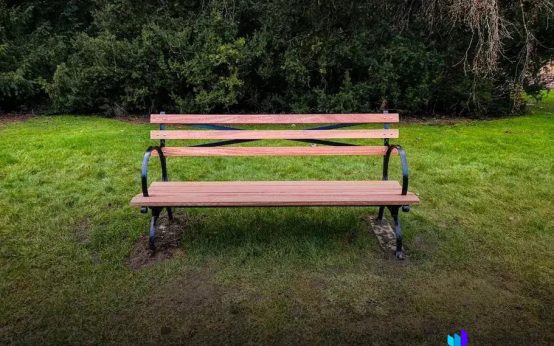 How Wooden Furniture Enhances Home Comfort Today
 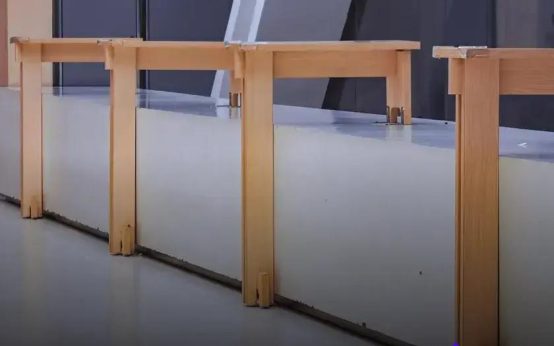 Wood Furniture in Luxury Interior Design: Uncover Elegant Secrets