
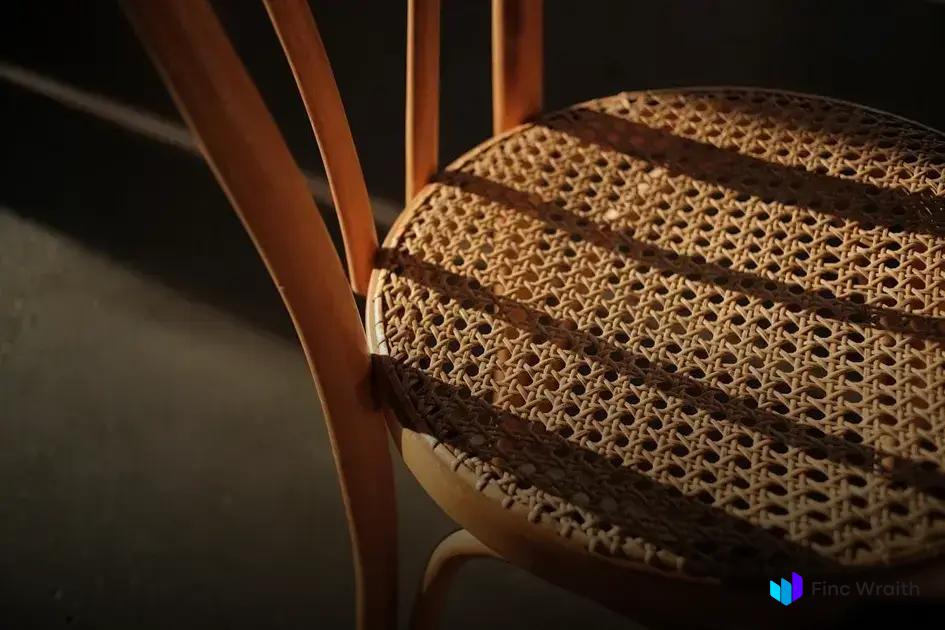
When it comes to crafting beautiful and durable wooden furniture, joinery plays a crucial role. Understanding why joinery matters in wooden furniture can elevate the quality and longevity of your pieces. Let’s delve into the world of woodworking and discover the secrets behind the construction that makes furniture last for generations.
The Art of Joinery in Woodworking
Joinery is a crucial element in woodworking that directly impacts the quality and longevity of wooden furniture. The precision and technique of joinery define how pieces of wood come together; it ensures stability and strength in the furniture.
Techniques in joinery vary, from basic to complex, each serving a specific purpose. Traditional techniques, including dado joints and rabbet joints, offer both durability and versatility. Modern woodworking also embraces techniques like biscuit joinery, reinforcing elements with hidden connectors that add both sturdiness and a sleek appearance.
Artistry and Functionality
Good joinery is not just about connecting pieces; it’s about the seamless integration of form and function. A well-crafted dovetail joint, for example, showcases not just the artisan’s skill but also enhances the piece’s aesthetic value. The precision involved in crafting such joints reflects the dedication to both art and engineering.
Every piece of furniture benefits from skilled joinery, ensuring each component works cohesively. This cohesive construction provides resilience against wear and usage over time. Engaging with the appropriate type of joinery enhances not only physical durability but also the artistic integrity of the piece.
Key Joinery Techniques Explained
Joinery is a fundamental aspect of woodworking that ensures pieces of wood are effectively interconnected to form sturdy wooden furniture. Each joinery technique serves a specific purpose, offering both structural strength and aesthetic value. Understanding these techniques is crucial for anyone interested in crafting durable and beautiful wooden pieces.
Dovetail joints are perhaps the most celebrated joinery technique, known for their superior tensile strength and appealing finish. They’re commonly found in drawers and cabinetry, where the design not only adds strength but also showcases exceptional craftsmanship. The interlocking pieces resist being pulled apart, making them perfect for heavy-duty furniture.
Mortise and tenon is another classic technique, often used for joining two pieces at a 90-degree angle. This technique has stood the test of time due to its simplicity and durability. The tenon, a rectangular projection, fits snugly into the mortise hole, creating a clean and seamless joint that can be reinforced with a peg or glue for extra sturdiness.
Box joints, similar to dovetails, are used in corner joints, providing a straightforward yet robust solution. These interlocking square pins are not only functional but can also add decorative appeal to boxes and tabletops. The even distribution of pressure across the joint prevents warping and enhances longevity.
For lateral stability, lap joints are frequently utilized. Here, two pieces are cut to lap over each other, creating a flush surface. This technique is particularly useful in frameworks and support structures, where reduced material thickness is required without compromising strength.
In environments where minimal joints are desired, biscuit joinery offers a discreet option. Thin, oval-shaped wooden biscuits are slotted into aligned grooves across two pieces, providing reliable connection without visible hardware. This method is especially favored for its simplicity and the ability to quickly assemble pieces without sacrificing integrity.
These key joinery techniques highlight the importance of choosing the right method for each woodworking project, ensuring resilience and elegance in every creation.
Impact of Quality Joinery on Durability
Joinery plays a crucial role in determining the durability of wooden furniture. When joints are crafted with precision, they create strong bonds that withstand various stresses and strains. High-quality joinery techniques contribute to the longevity of furniture pieces by ensuring they remain stable and intact over long periods.
Poorly executed joinery can lead to misalignments and gaps that compromise the structure’s integrity. These imperfections can allow moisture to seep in, causing wooden components to warp or rot over time. Quality joinery techniques, on the other hand, prevent such issues, as they fit components snugly together.
The use of traditional joinery techniques such as dovetail and mortise and tenon not only enhances durability but also showcases the craftsmanship involved in woodworking. These age-old methods provide robust connections that do not solely rely on nails or screws, which can loosen over time.
Additionally, when furniture pieces are assembled using superior joinery, they can better withstand environmental changes. This resistance against expansion and contraction influences their overall lifespan, making them more resilient to temperature and humidity variations. Quality joinery is indispensable for maintaining the structural integrity of furniture, reinforcing why it is a critical factor to consider during the furniture-making process.
Joinery and Aesthetic Appeal
Joinery plays a crucial role in defining the aesthetic appeal of wooden furniture. It goes beyond merely holding pieces together; it influences the visual harmony and design language of the piece. When choosing joinery for furniture, one must consider how it contributes to the overall appearance. For instance, dovetail joints are not only strong but also add a touch of elegance that can be visually appealing in drawers and cabinets.
Moreover, well-crafted joinery highlights the craftsmanship involved in furniture making. It reflects the quality and attention to detail that goes into constructing each piece. Visible joinery, such as in bookcases or open shelving, can serve as a decorative element itself, showcasing the artisan’s skill and the furniture’s uniqueness.
Different joinery methods can create varied aesthetic effects.
Mortise-and-tenon
joints offer a traditional and timeless look, complementing classic and antique styles. Meanwhile, biscuit joinery tends to create cleaner lines, popular in modern designs where minimalism is appreciated.
Consideration of joinery is not just about strength or function; it’s about how these techniques interweave with design elements to elevate the furniture’s beauty, ensuring it is as visually stunning as it is functional.
Choosing the Right Joinery for Your Furniture
When it comes to selecting joinery for your furniture, it’s crucial to understand that not all joinery methods are created equal. Different techniques offer varying levels of strength, aesthetics, and complexity. Your choice will depend on several factors, including the furniture’s purpose, the type of wood used, and the level of expertise required.
Consider the Purpose: Before deciding on a joinery method, think about how the piece will be used. For instance, a dining table joint needs to be robust enough to withstand frequent use, while a decorative piece may benefit from more intricate joinery that enhances its appearance.
Understanding Wood Type: Different woods have unique characteristics, and some are better suited for particular joinery techniques. Softwoods may not pair well with complex joints that demand precision, such as dovetails, while hardwoods can handle these with ease, offering durability and a refined look.
Experience Matters: Some joinery techniques require a higher skill level and more time to execute successfully. Assess your experience and the tools at your disposal. Mortise and tenon joints, for example, are strong and versatile but might be challenging for beginners without proper tools.
Think about aesthetic preferences too. Visible joints like dovetails or box joints can add character, while hidden joints offer a clean and modern appearance. Combining aesthetics with function can greatly influence the overall success of your furniture piece.
By carefully choosing the right joinery, you ensure not only the durability of the furniture but also its beauty and functionality.

 Timeless Wooden Furniture Pieces Every Home Needs Today
  How Wooden Furniture Enhances Home Comfort Today
  Wood Furniture in Luxury Interior Design: Uncover Elegant Secrets