
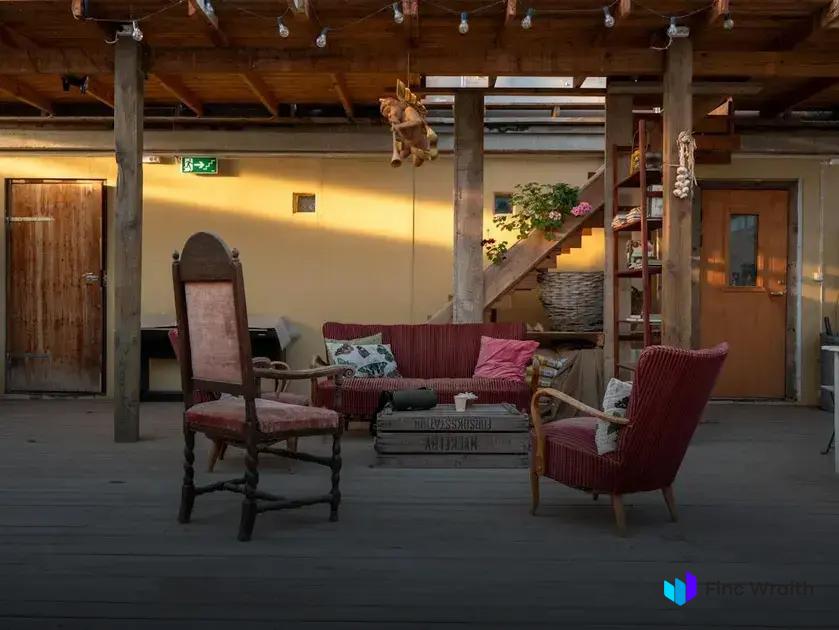
Discover why minimalist wood furniture designs never go out of style. Whether you’re redecorating your living room or looking to create a cozy bedroom, these timeless designs offer simplicity and elegance. By choosing the right materials and styles, you can ensure your furniture lasts for generations. Explore our guide to understanding and integrating minimalist wood furniture in your home.
Why Minimalist Wood Furniture Endures
Minimalist wood furniture remains timeless due to its intrinsic qualities that resonate with modern sensibilities. These pieces often emphasize simplicity, focusing on clean lines and functional designs. The understated elegance of minimalist furniture makes it versatile, blending seamlessly with various interior styles.
One of the enduring traits of minimalist wood furniture is its emphasis on natural beauty. Wood, with its diverse textures and grains, adds warmth and depth to any space. Unlike heavily decorated furniture, minimalist designs highlight the wood’s authenticity, allowing its organic characteristics to shine.
The emphasis on quality over quantity in minimalist designs speaks to a sustainable philosophy. These pieces are built to last, often crafted with durable materials that withstand the test of time. This focus on enduring quality ensures that minimalist wood furniture remains relevant even as design trends evolve.
Moreover, the adaptability of minimalist wood furniture is unparalleled. It can be effortlessly integrated into both traditional and contemporary spaces, serving as a neutral backdrop or a standout feature. The functionality of such designs encourages versatile use, catering to various needs and lifestyle changes.
In essence, the lasting appeal of minimalist wood furniture lies in its ability to offer practicality without sacrificing aesthetic appeal. It embodies a design ideology that values the essence of form and function, ensuring that these pieces remain stylish and relevant for generations.
Key Characteristics of Timeless Designs
Timeless designs in minimalist wood furniture are rooted in simplicity and functionality. These pieces often feature clean lines that emphasize the natural beauty of the wood. This approach ensures a visual clarity that feels both modern and classic, making the furniture adaptable to any decor style.
One key characteristic is the use of natural materials. By opting for high-quality wood, such as oak, walnut, or maple, these designs ensure longevity and durability. The grain and finish of the wood add a unique charm to each piece, enhancing its timeless appeal.
Another essential aspect is their versatility. Minimalist wood furniture can seamlessly integrate into various settings, from a cozy country home to a sleek urban apartment. This adaptability ensures that the furniture remains relevant as trends change and evolve.
Additionally, the focus on functionality with minimalist designs enhances their practicality. By eliminating unnecessary embellishments, these pieces highlight their purpose, making them easier to use and enjoy daily.
The careful attention to proportion and balance in design ensures that each piece not only looks good but also functions well within a space. This provides a sense of harmony and order, contributing to the enduring popularity of minimalist wood furniture.
Popular Types of Wood Used
Oak: Known for its strength and durability, oak wood is a favorite for crafting minimalist furniture that can withstand the test of time. Its distinctive grain patterns bring warmth and a hint of nature into any space. Oak pieces often feature smooth finishes that highlight their natural beauty.
Walnut: This wood is renowned for its rich brown hues and elegant grain patterns. Walnut is a preferred choice for minimalist designs due to its natural luster and ability to take on a sleek finish. Its versatility ensures it complements different styles, making it perfect for timeless furniture.
Maple: With a pale, creamy color and fine grain, maple is often chosen for minimalist designs that prioritize a light and airy feel. Its hardness makes it durable, while its smooth surface invites intricate detailing and clean lines typical of minimalist motifs.
Cherry: Cherry wood darkens with age, transforming from a light pinkish tone to a deep reddish-brown. This gradual change adds an evolving character to minimalist pieces. Its smooth texture and beautiful finish make it ideal for simple yet elegant furniture designs.
Bamboo: Technically a grass, bamboo is an eco-friendly option known for its rapid growth and sustainability. Its light color and strong fiber make it popular for minimalist designs that aim to conserve resources while maintaining durability. Bamboo furniture often features sleek lines and a modern appeal.
Integrating Minimalist Pieces in Modern Homes
Incorporating minimalist pieces in modern homes is a highly effective way to create a serene and stylish atmosphere. Minimalist wood furniture designs offer a sense of timeless beauty that complements various interior styles. Whether your home is decorated in contemporary, urban, or even traditional themes, minimalist wooden elements can seamlessly integrate, adding warmth and elegance to any space.
One of the key strategies is mixing and matching different wood tones. By doing so, you introduce depth without overwhelming the senses. A single minimalist piece, like a sleek wooden coffee table, can anchor a room, while floating wooden shelves provide functional elegance without clutter.
Moreover, choosing multifunctional furniture can enhance the minimalist appeal. Pieces like extendable dining tables or convertible beds are not only practical but also maintain the clean lines and simplicity revered in minimalist design. Additionally, selecting furniture with simple silhouettes ensures the space remains open and airy.
In living rooms, minimalist furniture sets a peaceful tone. Consider low-profile chairs and sofas enhanced with subtle wooden accents. For a dining area, opt for a solid wood dining table, which serves as a central point to gather and creates a harmonious flow throughout the home.
Contrasting the minimalist wood pieces with textures brings an intriguing dynamic. Such as using a wooden console against a textured wall or placing a wooden bench against soft fabric walls and curtains. These interactive contrasts play well in decorating the space without overpowering the minimalist ethic.
Caring for Your Minimalist Wood Furniture
To ensure the longevity and appeal of your minimalist wood furniture, it’s essential to understand the specific needs of different wood types. Regularly dust your furniture with a soft, lint-free cloth to prevent scratches and the buildup of dirt.
Use natural oil or wax to nourish the wood and maintain its appearance. When applying these, always follow the grain of the wood to achieve a uniform look. For best results, consider doing this about twice a year.
Keep your furniture away from direct sunlight and heat sources, as these can cause warping or fading over time. A consistent indoor temperature and humidity level will help prevent cracking or splitting.
For cleaning, avoid using harsh chemicals or abrasive cleaners. Instead, opt for a mild soap diluted in water. Wipe down the furniture with the soapy water and dry it immediately with a clean cloth to prevent any water damage.
If you notice scratches or scuffs, minor ones can often be repaired using a wood touch-up marker or a matching color crayon. Apply gently and blend with a soft cloth or your finger for a seamless look.
In cases where minimalist wood pieces have accents or inlays, take extra caution during cleaning to avoid damaging these delicate elements. Regular maintenance and careful handling will ensure that your minimalist wood furniture remains an enduring staple in your home decor.

 Timeless Wooden Furniture Pieces Every Home Needs Today
  How Wooden Furniture Enhances Home Comfort Today
  Wood Furniture in Luxury Interior Design: Uncover Elegant Secrets