
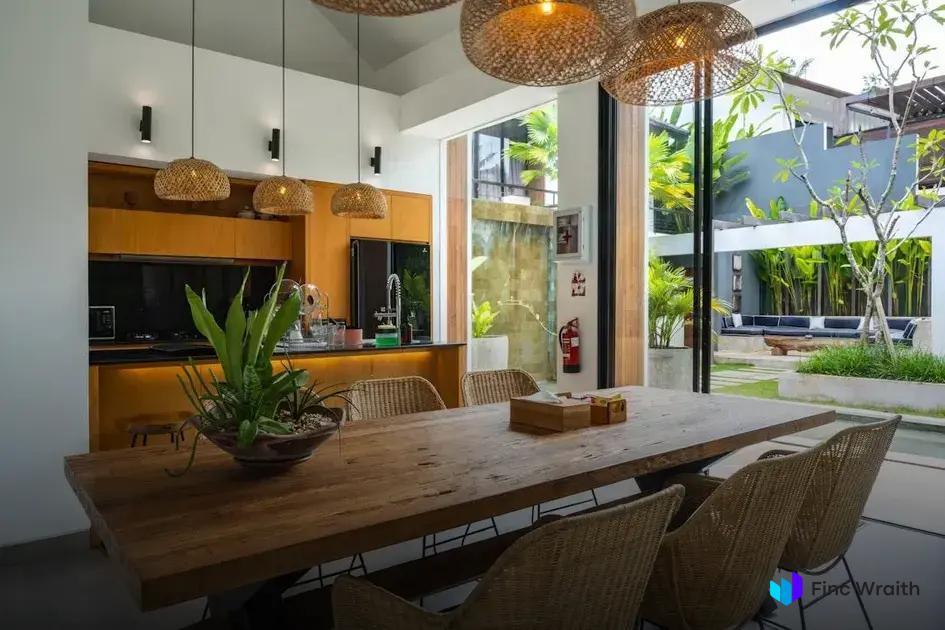
In today’s world, where trends change rapidly, the essence of solid wood furniture remains a constant symbol of luxury and enduring value. Investing in solid wood pieces transcends mere decor, offering both an eco-friendly and sophisticated appeal. Join us as we delve into why solid wood furniture stands as a symbol of status, and discover how these timeless pieces can transform any space into a showcase of elegance and craftsmanship.
Understanding the Timeless Appeal of Solid Wood
Solid wood furniture effortlessly embodies a timeless elegance that appeals to many. This allure originates from the inherent beauty and strength of natural wood, characterized by its unique grains and textures. The variations in color and patterns create pieces that are distinct and personalized, making each item a true work of art.
One reason for its enduring charm is its versatility. Solid wood can be adapted to both traditional and contemporary styles, fitting seamlessly in any home setting. Whether through a rustic oak dining table or a sleek walnut coffee table, solid wood enhances the aesthetic of a room, adding warmth and character.
Furthermore, solid wood furniture is synonymous with
durability
. Unlike materials such as particleboard, which wear down over time, solid wood not only withstands the test of time but often improves with age. The ability to refinish and repair these pieces extends their lifetime, making them a sustainable choice compared to less enduring materials.
A critical aspect of its lasting appeal is the connection to nature it provides. In an increasingly fast-paced and digital world, incorporating elements of natural beauty helps ground individuals, bringing a piece of the tranquil outdoors, indoors. This connection enhances mental well-being and adds a layer of authenticity to home decor.
From a status perspective, owning solid wood furniture signifies an appreciation for
quality and craftsmanship
. Such pieces are often seen as investments, passed down through generations as family heirlooms. This ability to withstand trends and retain value further underscores its prestige within the furniture market.
Craftsmanship Behind High-End Wood Furniture
The craftsmanship behind high-end wood furniture is paramount in establishing its status as a symbol of luxury. Skilled artisans transform raw pieces of wood into functional art through precise techniques passed down through generations. Every piece is meticulously designed, focusing on intricate details that highlight the wood’s natural beauty and grain patterns.
The process begins with selecting the finest wood, often choosing species like mahogany, oak, or walnut, known for their strength and exquisite appearance. Attention to detail is crucial, as each joint and edge must align perfectly, ensuring both stability and elegance.
Artisans employ a range of techniques such as joinery, inlay, and carving. Joinery is critical for creating furniture that can withstand the test of time without relying on nails or screws. Techniques like dovetail joints not only enhance durability but also serve as decorative elements.
Finishing Touches
The final stage is the finish, often requiring oiling, waxing, or varnishing to enrich the wood’s natural color, providing protection while enhancing its luster. This dedication to craft produces furniture that serves as a testament to quality and distinction.
Luxury and Durability: Key Features
Solid wood furniture offers a unique blend of luxury and durability that distinguishes it from other materials. The robustness of solid wood ensures it can withstand the test of time, making it a wise investment for those looking to elevate their home’s aesthetic. Hardwoods such as oak, walnut, and cherry are especially prized for their strength and enduring beauty.
One of the key features of luxury solid wood furniture is its ability to age gracefully. Over time, the wood develops a rich patina that enhances its natural appeal. This characteristic not only adds to the furniture’s allure but also increases its value, marking it as a status symbol.
An additional factor contributing to the durability of solid wood furniture is its construction. The use of traditional joinery techniques, like dovetail joints and mortise and tenon, ensures stability and longevity. These methods have been honed over generations, providing reliability and strength that machine-made alternatives cannot match.
Moreover, luxury solid wood pieces often feature intricate detailing and finishes that set them apart. Craftsmanship is evident in the hand-carved designs and meticulous attention to detail. Each piece is unique, bearing the signature of the artisan who created it, further enhancing its luxurious status.
The choice of finish also plays a significant role in the perception of luxury. Hand-applied oils and waxes bring out the wood’s natural grain and color while providing protection against wear and environmental effects, ensuring that the furniture remains a focal point in any room.
Finally, the weight and feel of solid wood contribute significantly to its perception as a premium product. The heft of the furniture signals quality and solidity, factors that appeal to those seeking long-lasting and luxurious items for their homes.
Eco-Friendly Choices in Solid Wood Furniture
Solid wood furniture offers not just elegance but also an environmentally friendly option for those looking to make more sustainable choices in their home decor. Choosing eco-friendly furniture is becoming increasingly important as it allows homeowners to reduce their carbon footprint while still enjoying beautifully crafted pieces.
Sustainability in Materials
Many manufacturers now use sustainably sourced timber, ensuring that the wood used in their pieces comes from responsibly managed forests. This not only helps preserve natural resources but also supports fair-trade practices.
Low Toxicity
Unlike some other materials, solid wood furniture typically involves lower levels of toxicity during production, reducing harmful emissions in your home. Look for furniture finished with natural oils and waxes instead of harmful chemical varnishes. Recyclability and Lifespan Solid wood pieces are extremely durable, meaning they don’t need to be replaced as often, which contributes to less waste. Plus, these items often remain in great condition for generations, sometimes even becoming cherished family heirlooms. Recycling or repurposing old wood furniture is another great eco-friendly choice as it minimizes new resource consumption.
Incorporating Solid Wood into Modern Homes
Incorporating solid wood into modern homes can create a striking balance between contemporary design and timeless elegance. Solid wood furniture brings warmth and character to living spaces, enhancing both functionality and aesthetics.
Versatile Design
Solid wood pieces can be easily blended with various interior styles. Whether your home leans towards minimalist, industrial, or Scandinavian designs, solid wood complements and elevates each look with its natural textures and unique grains.
Functional Aesthetics
These pieces are not just beautiful but also serve practical purposes. Think of a sturdy oak dining table that not only acts as a central gathering point but also as a piece of art that tells a story. Customization Solid wood furniture allows for a degree of customization that other materials do not. From the type of wood to the finish and size, each piece can be tailored to fit your home’s specific needs and aesthetics.
Investment in Quality
While perhaps more costly upfront, solid wood is an investment in longevity. Unlike other materials, it does not deteriorate rapidly, allowing it to maintain its value and beauty over time. Ultimately, incorporating solid wood into modern homes is about investing in pieces that offer timeless beauty and durability, making them heirlooms for future generations. Consider adding a carefully chosen piece to your home, where it can act as a focal point and conversation starter for years to come.

 Timeless Wooden Furniture Pieces Every Home Needs Today
 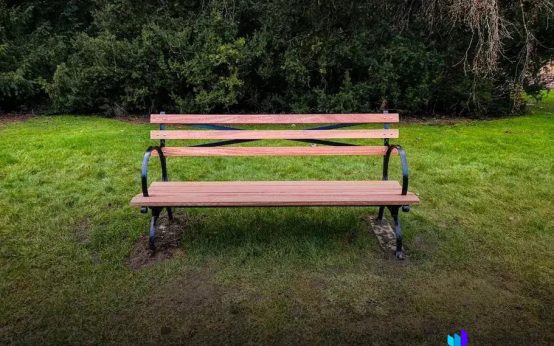 How Wooden Furniture Enhances Home Comfort Today
 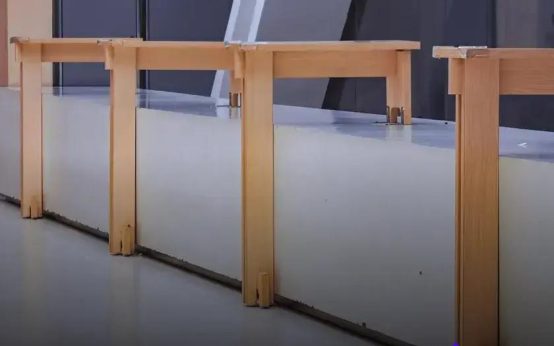 Wood Furniture in Luxury Interior Design: Uncover Elegant Secrets