
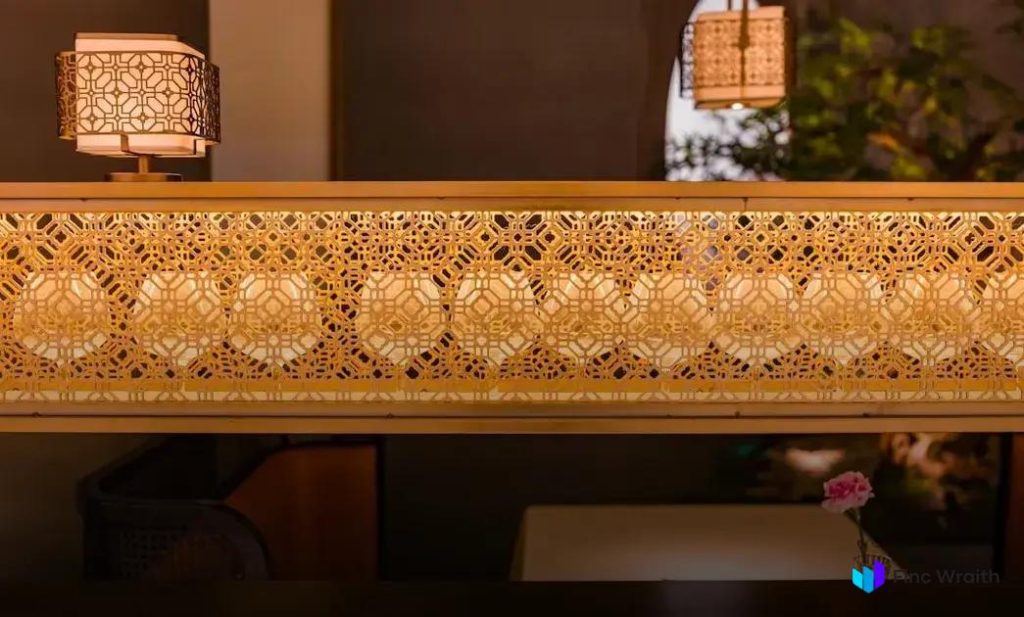
Wooden furniture design is a fascinating reflection of cultural diversity. Each culture brings its unique influences, shaping the aesthetics, functionality, and sustainability of furniture. From the intricate carvings of traditional Asian designs to the minimalist elegance of Scandinavian styles, cultural influences play a pivotal role. Discover how these traditions blend with modern innovations to create furniture that’s not only functional but also tells a story of its heritage.
The Historical Roots of Wooden Furniture Design
The evolution of wooden furniture design is deeply rooted in centuries-old traditions and diverse cultural influences. Each region shaped the craftsmanship and aesthetics based on their indigenous materials and societal needs. For instance, ancient Egypt favored rich, ornate wood carvings which often depicted scenes of deities, illustrating their beliefs and honoring their gods. Similarly, in China, wood furniture from the Ming dynasty is admired for its intricate joinery and balance between solidity and grace, reflecting Confucian ideals of harmony.
Moving to Europe, the Gothic period emerged with furniture designed to convey religious narratives through towering, pointed arch motifs and intricate carvings. The Renaissance brought about a shift toward classical symmetry and finesse, often seen in the elegant curves and elaborate detailing of pieces like chairs and cabinets.
The woodworking techniques and styles further evolved during the Industrial Revolution, as mass production and new machinery affected traditional craftsmanship. Despite this, artisans across the world continued to preserve their unique designs, ensuring that cultural elegance was retained in mass-produced items.
Additionally, Japan’s approach, shown in the Kanso minimalist style, emphasizes simplicity and functionality, allowing the natural beauty of the wood to take center stage without distraction. This philosophy has significantly influenced modern, minimalist interior design worldwide.
Regional Differences in Wood Types and Techniques
Exploring regional differences in wood types and techniques unveils a captivating world of unique designs. In Scandinavia, the generous use of pine wood is common, known for its light hue and straightforward grain. This wood type pairs harmoniously with the region’s emphasis on minimalist designs.
In contrast, Japan’s revered cypress wood, or “hinoki”, stands out for its softness and pleasant aroma. Crafted with meticulous joinery techniques, Japanese furniture often reflects an elegant simplicity with intricate joint works.
Further west, Central and South American cultures showcase an array of exotic hardwoods, such as mahogany and rosewood. These materials are prized for their rich colors and durability. Artisans in these regions frequently incorporate carving techniques, bringing to life vibrant patterns and cultural motifs.
In African regions, the use of ebony and mahogany is prevalent. Traditional furniture often exhibits bold carvings and ornamental designs, reflecting the rich heritage and stories of various tribes.
Each region contributes its unique perspective to wooden furniture crafting, embodying cultural heritage through distinct selections and methods. Understanding these differences enhances appreciation for the diverse artistry involved in wooden furniture making across countries and continents.
Symbolism and Artistic Expression in Furniture
The intricate symbolism found in wooden furniture often speaks volumes about the cultural and artistic values of a region. Artisans infuse their work with meaningful designs, creating pieces that reflect philosophies, beliefs, and traditions.
For instance, in many Asian cultures, certain wood types are selected not only for their durability but also for their spiritual significance. The lotus flower, frequently carved into furniture, symbolizes purity and enlightenment. Meanwhile, geometric patterns in Middle Eastern designs capture infinite beauty through repetition and symmetry, creating a visual dialogue between the piece and its surroundings.
European wooden furniture often features artistic details that bridge both classical and modern aesthetics. Craftsmen adapt ancient motifs such as the acanthus leaf to create elegant and timeless furniture pieces. These elements draw upon centuries of cultural heritage, allowing furniture to become a narrative tool that tells stories of past and present.
In African cultures, every carved element on a piece of wooden furniture might hold specific significance, often relating to ancestral stories and tribal symbols. These artistic expressions transform furniture into more than functional items; they become vessels of cultural identity and history.
The fusion of traditional and modern techniques in furniture design facilitates a cohesive artistic expression that respects and revitalizes cultural narratives. As such, artistic expression in wooden furniture remains an ever-evolving craft that continues to celebrate and preserve cultural heritage globally.
Modern Innovations with Traditional Cultural Touches
In recent years, the fusion of modern innovations with traditional cultural touches has dramatically shaped the world of wooden furniture design. Designers are embracing cutting-edge technologies, such as CNC machines and digital fabrication tools, to create intricate patterns and detailed carvings that were once unimaginable.
Technology Meets Craftsmanship
By integrating these technologies, artisans can replicate historical motifs and cultural symbols with precision and consistency. This combination ensures each piece maintains its authenticity, echoing the rich cultural heritage from which it draws inspiration.
The emphasis on sustainability is also evident in these innovations. Many artisans are now using reclaimed wood and eco-friendly materials, inspired by traditional practices of minimal waste and resourcefulness. This practice not only preserves the environment but also embodies the cultural values of respecting nature and its resources.
Furthermore, artisans are exploring various finishing techniques, merging ancient methods with contemporary styles. For instance, age-old hand-staining techniques are being reintroduced with new water-based stains, offering a healthier alternative without sacrificing quality. These processes result in unique finishes that are both culturally significant and modernly appealing.
Sustainable Practices Inspired by Cultural Traditions
Throughout history, cultural traditions have profoundly impacted the development of sustainable practices in wooden furniture design. Many cultures have long relied on the wisdom of past generations to craft furniture that is both beautiful and environmentally responsible. Traditional craftsmanship often emphasizes the use of locally sourced materials, minimizing the carbon footprint associated with transportation. This practice not only supports local economies but also encourages the preservation of indigenous species and ecosystems.
In some cultures, forest stewardship is a cornerstone, with communities implementing age-old methods for sustainable forestry. This includes selective cutting and allowing natural regeneration, which helps maintain biodiversity and forest health. By adopting these practices, modern furniture designers can contribute to conservation efforts while crafting high-quality, durable pieces.
Cultural traditions are also rich in techniques for waste reduction. For instance, many craftspeople prioritize the use of every part of the wood, turning offcuts into smaller items or embellishments. Such practices are not only sustainable but also enhance the artistic value of the furniture, showcasing the skill and creativity involved in maximizing material use.
A deeper exploration into cultural traditions reveals the long-standing use of natural finishes and treatments. Many communities have utilized plant-based oils and waxes to protect and preserve wooden furniture, avoiding harmful chemicals while bringing out the natural beauty of the wood grain. These simple, eco-friendly methods continue to inspire contemporary artisans looking for sustainable alternatives to synthetic products.
Embracing cultural traditions in furniture design not only honors heritage but also provides valuable lessons in sustainability. By integrating these practices, today’s furniture makers and consumers can play a role in promoting a more balanced and environmentally conscious industry.

 Timeless Wooden Furniture Pieces Every Home Needs Today
  How Wooden Furniture Enhances Home Comfort Today
  Wood Furniture in Luxury Interior Design: Uncover Elegant Secrets