

Restoring old wooden furniture can be a rewarding and fulfilling project. Not only does it give new life to cherished pieces, but it also allows for creativity and personal touches. Whether you’re a beginner or have some experience, this guide provides an easy-to-follow process for perfect results. Let’s explore the steps to transform that aged furniture into a masterpiece, from gathering materials to applying the finishing touches. Dive into each step and rediscover the charm hidden beneath the surface.
Materials You Will Need
- Start your restoration project by gathering all necessary tools and materials. Make sure you have protective gloves and goggles to keep yourself safe.
- You’ll need a variety of sandpaper with different grits. Typically, start with a coarser grit like 80 and move up to a finer grit like 220.
- Have a set of screwdrivers and pliers ready to help disassemble parts of the furniture if needed.
- Secure a quality wood filler to mend any cracks or holes. A putty knife will help apply this more accurately.
- Select a wood stain or paint in your desired finish. Make sure it’s compatible with the type of wood you are working with.
- A set of brushes and cloths for applying stain, paint, or polish meticulously will prove beneficial.
- Acquire a good wood finish or sealant to protect your furniture in the long run. This could be lacquer, polyurethane, or wax, depending on the effect you desire.
- A workbench or stable surface to ensure that you work efficiently and comfortably.
By having all these materials on hand, you’ll ensure a smoother workflow and be able to handle any challenges that arise during the restoration process.
Preparing the Furniture
Before diving into the restoration process, it’s crucial to properly prepare your wooden furniture. Start by cleaning the surface thoroughly with a soft cloth and mild soap to remove dirt and grime. Pay special attention to intricate details and carvings, using a toothbrush if necessary.
Next, inspect the furniture for any damage, such as loose joints, cracks, or missing pieces. Use wood glue for minor repairs and clamps if needed to ensure the parts fit snugly as they dry. Let the glue cure completely before proceeding. Remove any old hardware like knobs or hinges so you can work with the bare wood. These can often be reused if they’re in good condition; clean them separately using a suitable metal cleaner.
If there are layers of old paint or varnish, you may need to strip these away. Apply a chemical stripper or sand the surface to remove old finishes—always wear appropriate safety gear when working with chemical strippers or sanders.
Once the old finish is removed, assess the wood for stains or discoloration. You may need to use a wood bleach or oxalic acid for deeper stains, following manufacturer instructions carefully.
Ensure the surface is smooth and free from dust by wiping it down with a tack cloth. This preparation will ensure the wood is ready for the next steps, allowing any new finish or stain to adhere properly and provide optimal results.
Repairing and Sanding
Before you begin the repair and sanding process, ensure that all surfaces are clean and dry. Use a soft cloth to wipe away dust and debris. Start by inspecting the wooden furniture for any visible cracks or chips. For minor damages, use wood filler. Apply the wood filler over the crack and use a putty knife to smooth it out. Allow it to dry completely according to the manufacturer’s instructions.
Once the repairs are complete, it’s time to sand the furniture to remove the old finish and smooth out the surface. Use coarse-grit sandpaper first, around 80-grit, to tackle the old finish and major imperfections.
Remember to sand in the direction of the wood grain
to avoid scratches that could mar the final appearance.
After the initial sanding, switch to a finer grit, such as 120 or 150, to even out the surface. This helps in achieving a smooth finish, ready for staining or painting. Make sure to frequently check your sandpaper and keep it clean to prevent scratches. Use a tack cloth to remove all dust left on the wood.
For a thorough sanding process, it may be necessary to use a power sander for larger surfaces. However, for intricate details or corners, hand sanding is preferable for precision. Ensure that your sanding results in a uniformly smooth texture across the piece. This step is crucial as it sets the foundation for the subsequent refinishing tasks.
Finally, make sure the entire piece is free from dust to prepare it for staining or painting. A vacuum with a brush attachment can be used to remove dust even from the tiniest crevices.
Staining or Painting
When it comes to giving your old wooden furniture a new lease on life, the decision between staining and painting plays a critical role in the outcomes. Understanding the characteristics of each will help you choose the right finish for your project.
Staining is a great option if you wish to enhance the natural beauty of wood. The transparency of stain allows the grain to show through, highlighting any inherent patterns and textures. There are different types of stains, ranging from clear to deeply pigmented. Choose a hue that complements your interior decor.
Before applying the stain, ensure the surface is sanded sufficiently smooth. This allows the product to sink in evenly, leading to a rich and consistent finish. Apply the stain using a clean rag or brush, following the grain for the best results.
On the other hand, painting your furniture is ideal if you’re looking to cover imperfections and achieve a bold color statement. Paint provides a uniform and opaque finish, transferring older or less appealing furniture into modern pieces. Start with a durable primer that suits your chosen paint type, ensuring it adheres well to the surface.
A coat of paint provides not just aesthetic appeal but added protection as well. Several coats may be necessary, depending on the type and color of paint you choose. Always allow enough time for each coat to dry completely before proceeding to the next.
Key Considerations: To determine whether to stain or paint, consider the style you want to achieve, and the condition of the wood. Layering paints can create interesting textures, while choosing stain keeps the wood’s natural charm intact.
Expert Tip: Test both products on a hidden section of the furniture to see how they interact with the wood, ensuring satisfaction with your final choice.
Finishing Touches
After the paint or stain has dried thoroughly, it’s time to apply the finishing touches to your restored wooden furniture. This final step is vital for enhancing durability and giving the wood a polished look. Use a high-quality furniture wax or a clear protective finish like polyurethane. Apply with a clean, soft cloth, moving in the direction of the wood grain.
For wax finishes, buff the surface until you achieve the desired sheen, ensuring the wax penetrates and protects the surface. For polyurethane, use a brush or foam applicator to achieve an even coat, being careful to avoid drips or bubbles.
Once the finish is applied, allow it to cure according to the manufacturer’s instructions. Remember, multiple thin coats can provide a more durable protective layer than a single thick one. After curing, consider using a light sandpaper to smooth any rough spots lightly, and then reapply the final coat for maximum protection.
To maintain your furniture’s restored beauty, regularly dust with a dry microfiber cloth, and periodically reapply wax or polish. This upkeep will preserve its appearance and ensure it remains a cherished part of your decor for years to come.

 Timeless Wooden Furniture Pieces Every Home Needs Today
 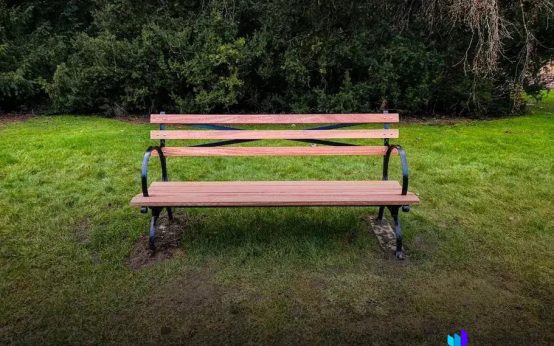 How Wooden Furniture Enhances Home Comfort Today
 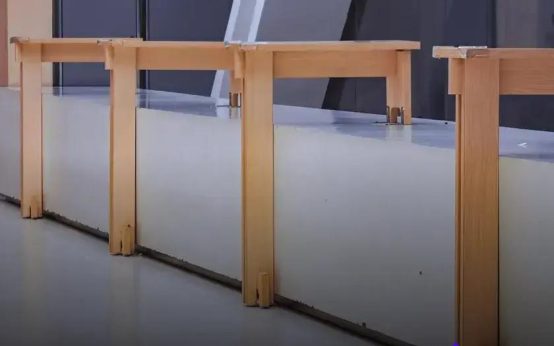 Wood Furniture in Luxury Interior Design: Uncover Elegant Secrets