

Taking care of solid wood furniture is essential to preserve its natural beauty and extend its lifespan. To start, understanding the cleaning process is crucial. Regular dusting and the use of mild cleaning products can prevent dirt buildup and maintain shine. Protection from scratches is equally important; consider using coasters and felt pads under sharp objects. By following these expert tips, you’ll ensure your furniture remains a stunning feature in your home for years to come.
Cleaning Solid Wood Surfaces
When cleaning solid wood surfaces, it’s essential to use the right methods to avoid damage. Begin by dusting the furniture with a soft, lint-free cloth. This helps in removing loose dirt and prevents scratching the surface.
Next, use a mild soap solution. Mix a small amount of mild dish soap with warm water. Dip a cloth into the solution, wring it out so it’s damp, not soaking, and wipe the wood gently. This method effectively cleans any grime without being too harsh on the wood’s finish.
After cleaning, rinse the cloth with clean water and wipe the surface again to remove any soap residue. It’s important to avoid letting the wood get too wet, as excess moisture can warp or damage solid wood.
Finish by drying the wood with a soft, dry cloth. This prevents moisture from soaking into the wood, which can lead to swelling or stains. For this reason, drying solid wood furniture thoroughly after cleaning is crucial.
Protecting Against Scratches
Use coasters and mats: Prevent direct contact with hot or cold items by using coasters and mats. This simple step can significantly reduce the likelihood of scratches.
Apply a protective finish: A protective wax or polish not only enhances the wood’s appearance but also acts as a shield against potential damage from everyday use.
Invest in furniture pads: Place pads on the legs of chairs and tables to prevent scratches when moving furniture. These pads are inexpensive and easy to install, creating a safeguard against rough flooring.
Keep pets low: Pets’ claws can scratch wooden surfaces. Train them to avoid furniture or cover it with protective covers when pets are present.
Avoid sharp objects: Sharp objects such as knives or tools should be kept away from wooden furniture. If you need to use them nearby, place a thick cloth or pad under the object to prevent direct contact with the surface.
Regularly inspect: Check your furniture regularly for small scratches, addressing them quickly before they become a bigger problem. Light scratches can often be buffed out with a suitable wood polish.
Polishing for a Gleaming Finish
For a truly gleaming finish on your solid wood furniture, regular polishing is essential. It maintains the wood’s natural luster and provides a protective layer against everyday wear. Choose a high-quality, non-toxic wood polish to avoid any harmful chemicals. Apply the polish using a soft, lint-free cloth, and work in a circular motion to evenly distribute the product. Be sure not to oversaturate the surface, as excess polish can leave a sticky residue. Pay extra attention to areas with intricate carvings or details, using a toothbrush wrapped in cloth if necessary to reach tight spots.
Always test the polish on a small, inconspicuous area to ensure compatibility with your furniture’s finish. This simple step prevents unwanted reactions that could otherwise damage or discolor your piece. Moreover, polishing should be done only a few times a year, as excessive application can build up and attract dust and grime.
By caring for your wooden furniture in this manner, you ensure it remains a focal point in your home, showcasing its natural beauty and elegance. This enhances not only the look but also the life of your cherished pieces, providing a captivating shine and preserving their history for years to come.
Handling Different Wood Types
Each wood type possesses its own unique characteristics and requires specific care techniques to maintain its beauty and durability. Hardwoods, such as oak and maple, are generally more resilient and can withstand more wear. However, even these types need regular dusting with a soft cloth and periodic polishing to prevent their surfaces from becoming dull. Avoid using abrasive materials which might scratch the wood.
For softer woods like pine, extra caution is necessary. Pine is more prone to dents and scratches, so use a gentle touch when cleaning. Keep these woods away from direct sunlight to prevent bleaching and discoloration. Applying a protective clear coat finish can also help in preserving its appearance.
Managing moisture levels is crucial for all wood types. Excess humidity can cause wood to warp or swell, while very dry air might lead to cracking. Use a humidifier or dehumidifier as necessary and consider placing a barrier, like coasters or felt pads, under heavy or wet items to avoid water rings.
When dealing with exotic woods, such as teak or mahogany, use products specifically formulated for high oils content if applicable. These woods might not require frequent waxing or oiling, but consult the manufacturer’s guidelines if available.
Regardless of the wood type, regular maintenance will help in preserving the furniture’s natural allure. Maintain a consistent care routine and pay attention to any changes in the wood’s appearance or texture to address issues promptly.
Long-Term Preservation Techniques
Ensuring the longevity of solid wood furniture requires strategic preservation techniques. Start by placing your furniture away from direct sunlight to prevent fading and warping. Use curtains or blinds to reduce exposure when sunlight is unavoidable.
Control your indoor climate as fluctuating temperatures and humidity levels can cause wood to expand and contract. Aim for a consistent environment with a humidity level around 40-45%. Utilising a humidifier or dehumidifier can help maintain the right conditions.
Regularly applying protective finishes like varnish, oil, or wax helps seal the wood and shield it from environmental damage. Choose the right product for your wood type and existing finish for optimal results.
Use furniture covers or protective pads to shield surfaces from spills or heat damage. This is particularly important for dining tables or desks where accidental damage is more likely.
Avoid placing your furniture near heat sources such as radiators or heating vents. If relocation is not possible, consider using heat shields or barriers to protect the furniture.
Periodically inspect your furniture for signs of wear or damage and address issues promptly to prevent them from worsening. Regular maintenance is key to preserving both the beauty and functionality of your solid wood pieces over time.

 Timeless Wooden Furniture Pieces Every Home Needs Today
 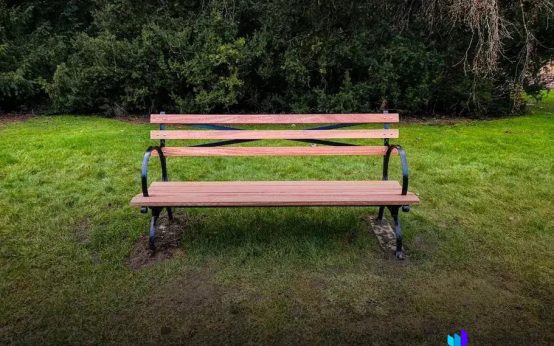 How Wooden Furniture Enhances Home Comfort Today
 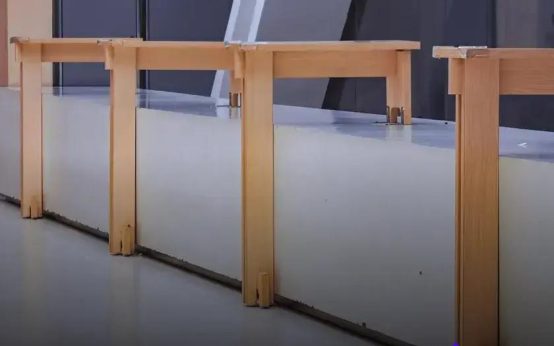 Wood Furniture in Luxury Interior Design: Uncover Elegant Secrets