

Wooden furniture adds warmth and beauty to any room, but over time, it can suffer from scratches and dents. Fixing scratches and dents in wooden furniture is essential to maintain its appearance and value. In this article, we’ll explore various types of wood damage and provide step-by-step guidance on how to repair them effectively. With the right tools and techniques, you can restore your wood furniture to its original glory. Let’s get started with understanding the types of wood damage you might encounter.
Understanding the Types of Wood Damage
Wooden furniture can endure various types of damage over time, each requiring specific attention to repair effectively. Understanding these types of damage is essential for proper maintenance and restoration.
Scratches: These are common in households with pets or children. Scratches can range from light, surface-level marks to deeper gouges. Light scratches are often superficial and can sometimes be buffed out with a simple solution of olive oil and vinegar.
Dents: Dents occur when something heavy or blunt compresses the wood. Unlike scratches, these don’t break the wood’s fibers but instead push them inward. Steam can be used to raise such dents, as the moisture helps swell the compressed wood back to its original shape.
Other damages like water stains can result from condensation and spills, leaving white rings or cloudy spots on the finish. For these, applying a commercial wood cleaner might suffice, or a mixture of baking soda and water can lift these stubborn marks.
In addition to these, exposure to UV light can cause fading or discoloration. Rot or insect-related damage, while less common in indoor furniture, can lead to structural issues requiring professional intervention.
Knowing the type of damage is crucial for selecting the correct repair method, ensuring your wooden furniture remains attractive and functional for years.
Essential Tools for Repairing Wooden Furniture
Sandpaper
Sandpaper is a vital tool for smoothing out scratches on wooden surfaces. Choose a fine-grit sandpaper to gently rub over the scratch area, making sure to blend the edges seamlessly with the surrounding surface. This will help in evening out the texture and preparing the surface for a fresh finish.
Wood Filler
Wood filler is excellent for repairing deeper scratches or small dents. Apply the filler to the damaged area, ensuring it is filled completely. Once dry, sand it down to ensure the surface is smooth and level with the rest of the furniture.
Putty Knife
A putty knife is essential for applying wood filler or any type of filler substance to the damaged areas. Use it to spread the filler evenly over the scratch or dent, allowing it to fill completely without leaving excess residue.
Stain Marker
For minor scratches or to touch up the wood color after repair, use a stain marker. Choose a shade that matches your furniture and gently apply to the repaired area to blend it with the original color of the wood.
Shellac or Varnish
To protect the repaired wood and restore its natural shine, apply a coat of shellac or varnish. This not only enhances the appearance but also provides a protective barrier against future damage.
Soft Cloths
Use soft cloths for cleaning and buffing the furniture. After applying any product, it is important to gently buff the surface to ensure an even and smooth finish, removing any excess material.
Step-by-Step Guide to Fixing Scratches
- Clean the surface: Begin by thoroughly cleaning the area with a damp cloth to remove any dust or residue. This prepares the surface for better repair results.
- Assess the scratch: Examine the depth and length of the scratch. Superficial scratches require different methods than deeper ones.
- Choose a repair method: For minor scratches, a scratch repair pen or a wax filler stick matching the wood color can be effective. Apply it following the product instructions.
- Sanding for deeper scratches: If the scratch is deeper, lightly sand the area with fine-grit sandpaper, following the wood grain direction. Be careful not to over-sand.
- Apply wood filler: Use a wood filler that matches the furniture’s color. Press it into the scratched area using a spatula or putty knife, and ensure it fills the scratch adequately.
- Smooth the surface: Once the filler is dry, lightly sand the area again to ensure the surface is even with the surrounding wood.
- Re-finish the area: Apply a suitable wood finish or varnish over the repaired section. This seals the repair and blends it with the existing finish for a seamless look.
- Remember to let everything dry completely according to the product instructions before moving or using the furniture.
Effective Methods for Removing Dents
Removing dents from wooden furniture can be achieved through several effective methods, each suited for different types of wood and levels of damage. One highly recommended technique is to use moisture and heat. Start by placing a damp cloth over the dent, making sure it covers the entire area affected. Next, use an iron set to a medium temperature and gently apply it over the cloth. The heat will cause the wood to expand, while the moisture helps to relax the fibers, often allowing the dent to rise and become less visible.
Another method involves using wood fillers, which are ideal for deeper or more stubborn dents. Choose a filler that closely matches the color of your furniture for the best results. Apply a small amount into the dent with a putty knife, ensuring it’s fully pressed in. Once it dries, sand the area gently to achieve a smooth surface.
For smaller dents or those on finished surfaces, using a specialized wood marker or wax crayon that matches the furniture’s color can help hide minor imperfections. These tools not only conceal dents but also enhance the overall appearance, making them less noticeable.
Always consider the type of finish on the wood before applying any method, as untreated wood might react differently compared to varnished or painted surfaces.
It’s crucial to test any solution on a hidden area first to ensure compatibility and effectiveness without causing additional damage.
By paying careful attention to the materials and techniques used, dents can be effectively minimized or eliminated, restoring your wooden furniture to its original beauty.
Preventive Tips to Avoid Future Damage
To ensure your wooden furniture stays pristine over time, it’s crucial to implement preventive measures against potential damage. Here are several practical tips to help you avoid future scratches and dents:
- Use Protective Mats or Covers: Place mats or covers on surfaces that are frequently used or subject to heavy items, like dining tables. This simple step can prevent direct contact, reducing the risk of scratches and dents.
- Install Furniture Pads: Attach protective pads to the bottom of chairs, sofas, and tables to minimize abrasion and movement across the floor. Furniture pads are inexpensive yet effective in preserving both the furniture and flooring.
- Maintain Optimal Humidity Levels: Wood is sensitive to moisture variations. Keeping the indoor humidity between 30% and 50% helps prevent wood from expanding or contracting, which can cause cracks or loosen joints.
- Avoid Direct Sunlight: Prolonged exposure to sunlight can cause discoloration and weaken the wood fibers. Use curtains or blinds to limit sun exposure, especially during peak sunlight hours.
- Regularly Clean and Polish: Dust and polish your furniture routinely. Use a soft, lint-free cloth and suitable wood polish to maintain its sheen and build a protective layer against minor abrasions.
- Implement a No-Sharp-Objects Policy: Use coasters and trivets to avoid direct contact with sharp or hot objects. Educate household members to be cautious when handling items to prevent accidental damages.
By integrating these strategies, you can significantly enhance the longevity and aesthetic appeal of your wooden furniture, keeping it looking as good as new for years to come.

 Timeless Wooden Furniture Pieces Every Home Needs Today
 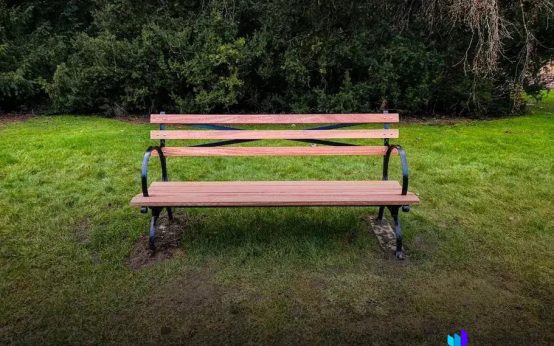 How Wooden Furniture Enhances Home Comfort Today
 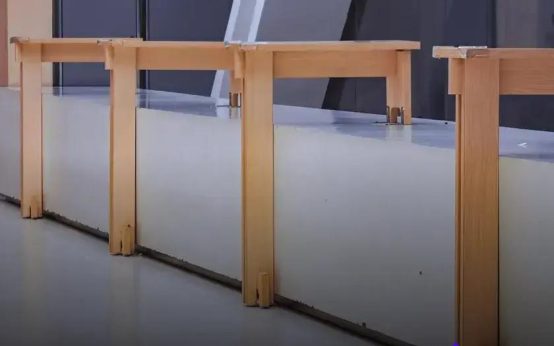 Wood Furniture in Luxury Interior Design: Uncover Elegant Secrets